 Finding and Fixing Vulnerabilities Using AI
In all cases, whether code changes were created by AI or by humans, look for vulnerabilities in each merge/pull request.
Here are some tips:
Be careful when you run AI agents in CI/CD on proposed changes. When a change comes from an untrusted contributor, its title, description, comments, commit messages, and code are all attacker-controlled. An AI agent treats all of that as input, so an attacker can try to use it to give the agent new instructions (prompt injection).
This isn’t hypothetical. In 2025, Aikido Security reported “PromptPwnd”, where GitHub Actions and GitLab CI/CD workflows embedded information from untrusted issue, pull request, or commit into AI agent prompts. They reported that “At least 5 Fortune 500 companies are impacted” [Daelman2025]. In 2026, Aonan Guan and colleagues showed that a malicious pull request title, issue comment, or hidden HTML comment in an issue could make Anthropic’s Claude Code Security Review, Google’s Gemini CLI Action, and GitHub’s Copilot Agent leak the repository’s own API keys and access tokens [Guan2026]. Note that one of those was a security review tool. As Guan explains, the problem is that “these AI agents are given powerful tools (bash execution, git push, API calls) and secrets (API keys, tokens) in the same runtime that processes untrusted user input.”
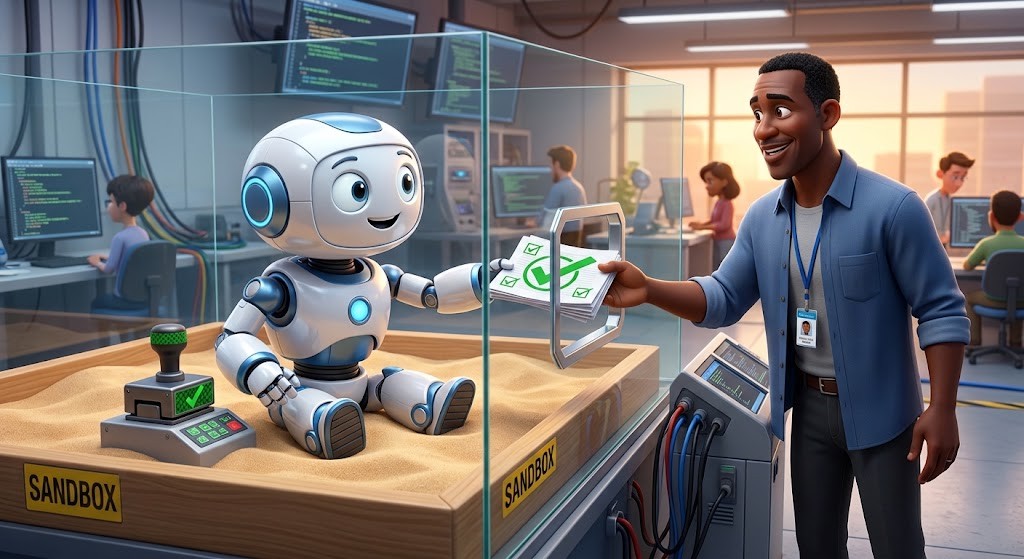
In the 2025 “s1ngularity” attack, compromised versions of the Nx build package ran any installed Claude, Gemini, or Amazon Q command-line agent on a developer’s system with its permission checks disabled (e.g., --dangerously-skip-permissions) and used it to search the developer’s system for secrets. StepSecurity called this “the first known case where attackers have turned developer AI assistants into tools for supply chain exploitation” [Kurmi2025]. As we noted earlier, it’s important to run agents inside a sandbox.
If you run an AI agent on untrusted proposed changes: